
The Problem.
Gitcoin became too institutional — losing the grassroots energy and the credibility of the community that originally built it. The brand looked like an enterprise SaaS company, not a public-goods funder.

Gitcoin · Case Study
A rebrand that walks Gitcoin back to its lunar-punk roots — and forward into something new: the database of everything funding on Ethereum.
What is Gitcoin?
Gitcoin is a decentralized platform on Ethereum that helps fund open-source software and digital public goods, connecting developers with creators and community donors through hackathons, bounties, and grants.
It has done so since 2017 — helping kickstart projects like ENS, Uniswap, 1inch, and yearn.finance, routing over $63 million to more than 3,700 open-source and decentralized projects.
The brief, as I saw it
Gitcoin had drifted upmarket. The brand polished itself into something too institutional for the community that built it — and lost credibility with both.
Gitcoin became too institutional — losing the grassroots energy and the credibility of the community that originally built it. The brand looked like an enterprise SaaS company, not a public-goods funder.
Return to the lunar-punk look and movement. Turn Gitcoin into a database of everything funding — the premier place where Ethereum funds solutions to its most important problems, with the team curating the funding landscape.
Achieving the database feel
If Gitcoin is becoming a database, it should feel like one — fast, navigable, and editable by anyone. It has to look like documentation and feel like a product. Six principles guided every UI decision.
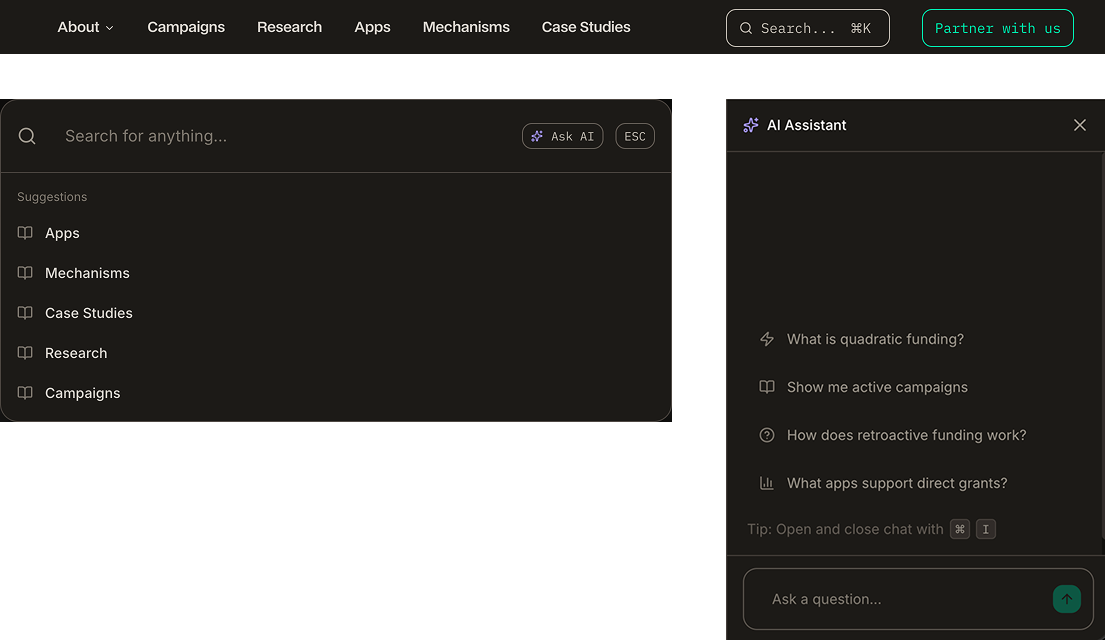
Search is front and center. ⌘K from anywhere. Ask AI inline.
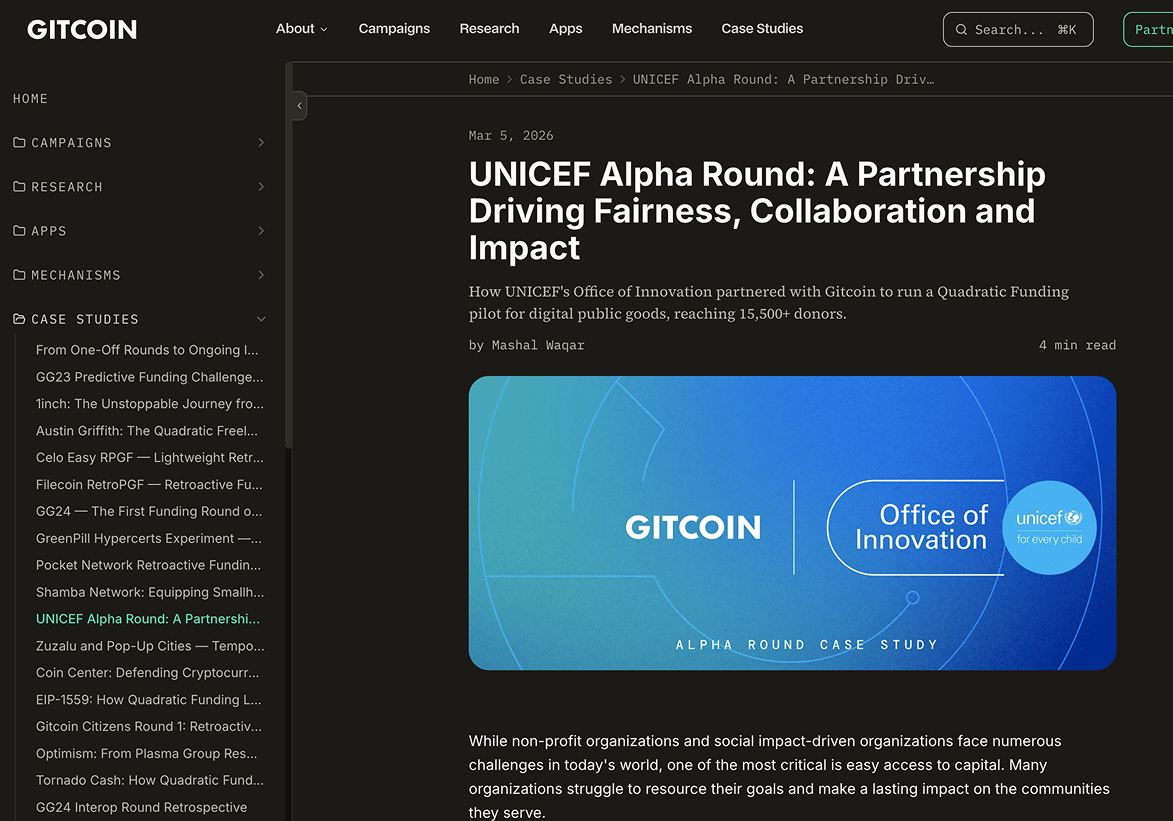
A file-tree on the left. Always know where you are in the database.
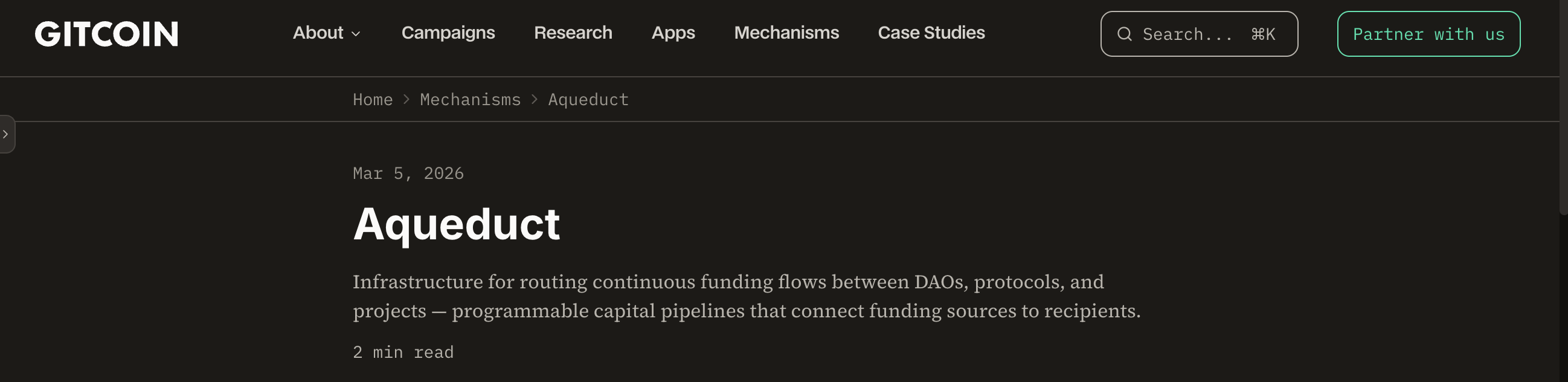
Every article shows its lineage. Easy back-out, easy lateral moves.
Set expectations before the reader starts.
Every article is a PR away from being improved. Transparent, OSS.
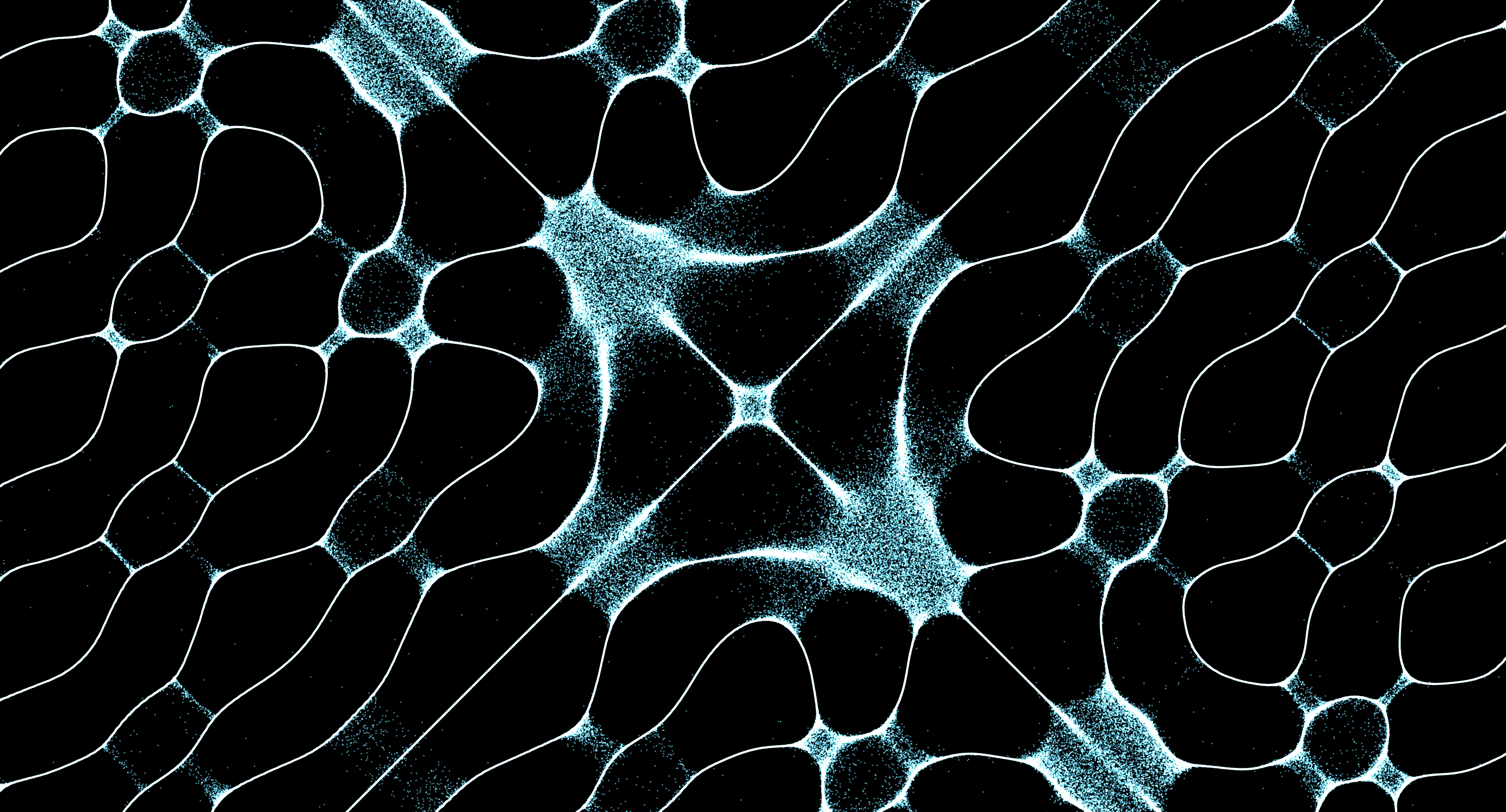
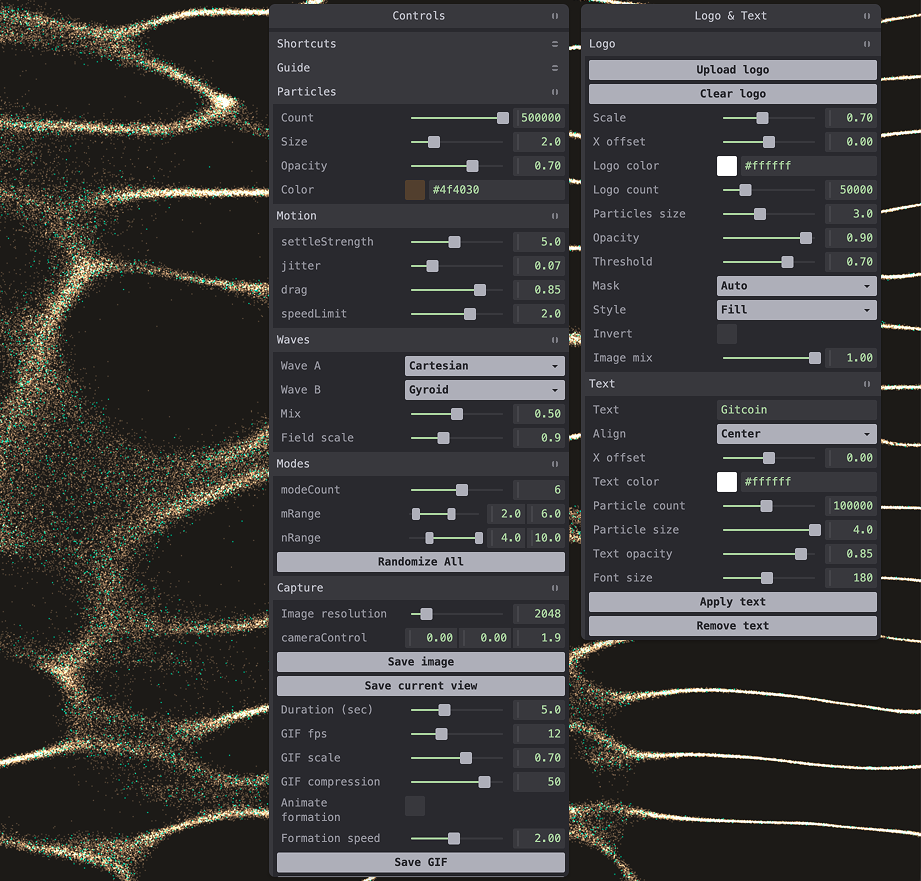
Three.js generator for hero art + OG images. Consistent at scale.
The work, on screen
Search
The header search bar lives next to the primary nav — visible on every page. A ⌘K shortcut summons a global overlay that floats above the page. Ask AI is one tab away, for when the answer isn't an article title.

Breadcrumbs & Header
Every article carries its full lineage — Home → Mechanisms → Aqueduct — so readers never feel lost. The header keeps the wordmark, nav, search box, and the Partner CTA in the same place on every page. Time-to-read sits directly under the lede.

Ask AI
A right-side panel grounded in the database itself, pre-seeded with first-visit questions — "What is quadratic funding?", "Show me active campaigns", "How does retroactive funding work?" Opens with ⌘I, closes the same way.

Edit on GitHub
At the bottom of every page sits a single luminous button: Edit on GitHub. It opens an issue or PR against the page's source — turning the whole site into a contributable repository. The glow is the only place the lunar-punk language allows itself to actually glow, saved for the one moment that signals participation.

Tree Sidebar
A file-explorer sidebar mirrors the repo. Campaigns · Research · Apps · Mechanisms · Case Studies — each folder opens to its children, with the current page highlighted. Contributors orient immediately; first-time visitors browse the funding landscape the way they'd browse a codebase.
